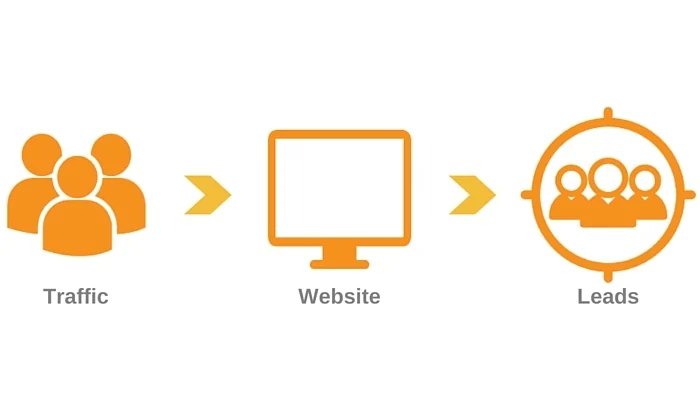
A business website is more than an online presence. When designed and managed effectively, it can become one of the most valuable tools for attracting potential customers, generating inquiries, and increasing sales. Whether you operate a small business, a professional service company, or a growing organization, your website can help connect your products and services with people actively searching for solutions.
However, simply having a website does not guarantee that visitors will become customers. Many businesses invest in website design and development but struggle to generate meaningful inquiries or sales. The problem often lies in how the website attracts visitors, communicates its value, and encourages people to take action.
This is where website lead generation becomes important. Lead generation involves attracting potential customers and encouraging them to share their contact information or express interest in your products and services.
With the right combination of website design, search engine optimization (SEO), valuable content, and conversion strategies, businesses can turn their websites into effective lead-generation platforms.
In this guide, we explore 11 practical strategies to help you generate more leads through your website and build a stronger online presence.
Create a Professional and User-Friendly Website
Your website’s design plays an important role in attracting and converting potential customers. When visitors arrive at your website, they should immediately understand what your business offers and how it can help them.
A poorly designed website with confusing navigation, outdated layouts, and unclear information can discourage visitors from exploring your services.
A professional business website should have:
- A clean and modern design.
- Easy-to-understand navigation menus.
- Clear service descriptions.
- Readable typography and attractive visuals.
- Consistent branding and colors.
- Strategically placed contact information.
- Clear calls to action.
User experience should be a priority throughout the website development process. Visitors should be able to find relevant information without unnecessary steps.
A professional website design also helps establish credibility. When potential customers see a well-organized and visually appealing website, they are more likely to view your business as trustworthy.
Optimize Your Website for Search Engines
Search engine optimization is one of the most effective ways to attract potential customers who are actively searching for your products or services.
When your website appears in relevant Google search results, it becomes easier for interested visitors to discover your business without relying entirely on paid advertising.
An effective SEO strategy should include:
Keyword research: Identify the search terms your potential customers use when looking for your products or services.
On-page SEO: Optimize page titles, meta descriptions, headings, URLs, and website content around relevant keywords.
Technical SEO: Improve website speed, mobile responsiveness, indexing, crawlability, and overall technical performance.
Local SEO: Optimize your Google Business Profile and location-specific website content to attract nearby customers.
Content optimization: Publish useful articles, service guides, and informative resources that answer customer questions.
For example, a website development company in Kathmandu could target keywords such as “website development company in Kathmandu,” “professional website design in Nepal,” and “business website development services.”
The more relevant your website content is to customer searches, the greater its opportunity to attract qualified organic traffic.
Add Clear and Compelling Calls to Action
A call to action (CTA) tells website visitors what they should do next. Without clear instructions, visitors may explore your website and leave without contacting your business.
Effective calls to action encourage users to take specific steps, such as requesting a quotation, booking a consultation, submitting an inquiry, or purchasing a product.
Examples include:
- Request a Free Quote
- Get a Free Consultation
- Contact Our Team
- Book an Appointment
- Get Started Today
- Request More Information
Place these buttons in visible locations throughout your website, including the homepage, service pages, landing pages, and relevant blog articles.
However, avoid overwhelming visitors with too many competing CTAs. Each page should have a clear primary action that matches the visitor’s intention.
For example, a service page can encourage visitors to request a quotation, while an informational blog article can direct readers toward a related service or consultation.
A well-designed CTA can make the customer journey simpler and increase the likelihood of generating inquiries.
Create Dedicated Landing Pages for Your Services
A landing page is a dedicated webpage designed to encourage visitors to complete a specific action. Unlike general website pages, landing pages focus on a particular service, product, campaign, or audience.
Businesses that offer multiple services should consider creating separate landing pages for each major offering.
For example, a digital marketing agency could develop individual pages for:
- Search Engine Optimization Services
- Website Design and Development
- Google Ads Management
- Social Media Marketing
- E-commerce Website Development
- Website Maintenance Services
Each landing page should explain the service, highlight its benefits, address customer concerns, and provide a clear way to get in touch.
Including testimonials, project examples, pricing information where appropriate, and frequently asked questions can also help visitors make informed decisions.
Dedicated landing pages improve content relevance and can support both organic search visibility and paid advertising campaigns.
Publish Valuable and Informative Website Content
Content marketing helps businesses attract potential customers by providing useful information that addresses their questions, challenges, and interests.
Instead of focusing entirely on promoting products and services, businesses should publish content that helps their target audience understand relevant topics and make better decisions.
Some useful content formats include:
- Informative blog articles.
- Step-by-step guides.
- Industry insights and updates.
- Frequently asked questions.
- Case studies and project examples.
- Service comparison articles.
- Educational videos and tutorials.
For example, a website development company could publish articles about website development costs, the importance of responsive design, website maintenance, and common website design mistakes.
These topics attract people researching website-related solutions. Relevant internal links can then guide readers toward the company’s service pages.
Consistent content publishing also creates more opportunities for your website to appear in search results and establish industry expertise.
The key is to create original, helpful, and accurate content rather than publishing articles solely to include keywords.
Make Your Website Mobile-Friendly
Mobile responsiveness is essential for generating leads because many potential customers discover businesses through smartphones and tablets.
If your website is difficult to use on mobile devices, visitors may struggle to read information, navigate service pages, or complete inquiry forms.
A responsive website automatically adjusts its layout according to different screen sizes. It should provide readable text, accessible buttons, properly displayed images, and simple navigation.
To improve mobile lead generation:
- Use responsive website layouts.
- Make phone numbers clickable.
- Keep contact forms short and simple.
- Ensure buttons are easy to tap.
- Avoid unnecessary pop-ups.
- Optimize images and page loading speed.
- Make important service information easy to find.
Mobile-friendly website development helps businesses provide a consistent experience across devices and makes it easier for customers to contact them whenever they need assistance.
Use Simple and Effective Contact Forms
Contact forms are among the most important tools for website lead generation. They allow visitors to submit their details and express interest in your services without needing to call or visit your business.
However, complicated forms can discourage potential customers from completing the process.
For better results, ask only for the information necessary to respond to an inquiry.
A basic business inquiry form may include:
- Full name.
- Email address.
- Phone number.
- Service of interest.
- Brief message or project requirements.
You can add more fields when they are genuinely necessary, but avoid requesting excessive personal information.
Make sure your forms are easy to use on mobile devices and provide a clear confirmation message after submission.
Businesses should also test their forms regularly to ensure inquiries reach the correct email address or customer management system.
A well-designed contact form reduces friction and creates a convenient way for interested visitors to become potential customers.
Build Trust Through Testimonials, Reviews, and Case Studies
Trust is an important factor in purchasing decisions. Before contacting a business, potential customers often want reassurance that the company has experience and can deliver reliable results.
Your website should provide evidence of your expertise and credibility.
One effective way to build trust is by displaying genuine customer testimonials and reviews.
You can also include:
Case studies: Explain how your business helped a customer solve a particular problem or achieve a measurable result.
Portfolio projects: Display completed projects to demonstrate the quality of your work.
Client feedback: Share authentic customer experiences and satisfaction statements.
Business information: Include your company background, team details, experience, and contact information.
Certifications and partnerships: Display relevant professional qualifications or authorized partnerships where applicable.
For example, a web development agency can showcase completed websites, explain the challenges involved, and describe the solutions delivered.
Real examples help visitors understand what they can expect and provide stronger reasons to contact your business.
Improve Website Loading Speed and Performance
Website performance can directly affect lead generation. Visitors are less likely to explore your services or complete contact forms when pages take too long to load.
Slow websites create frustration and can reduce engagement, particularly among mobile users.
Some practical ways to improve website speed include:
- Compressing and optimizing images.
- Using reliable website hosting.
- Reducing unnecessary plugins and scripts.
- Implementing browser caching.
- Minifying CSS and JavaScript files.
- Using a content delivery network when appropriate.
- Keeping website software and themes updated.
Tools such as Google PageSpeed Insights can help identify performance issues and provide recommendations.
Website speed should be considered during both website development and ongoing maintenance.
A faster website makes it easier for visitors to access information and move toward completing an inquiry or purchase.
Integrate Live Chat and Customer Communication Tools
Sometimes visitors have questions before they are ready to submit a contact form. If they cannot find answers quickly, they may leave your website and contact a competitor.
Live chat and other communication tools can help businesses engage with visitors while they are exploring their services.
Depending on your business model, useful integrations may include:
- Live chat functionality.
- WhatsApp contact buttons.
- Click-to-call phone numbers.
- Appointment booking systems.
- Email inquiry options.
- AI-powered chatbots.
For businesses in Nepal, integrating a WhatsApp contact option can provide a familiar and convenient way for customers to ask questions.
However, communication tools should be managed properly. Visitors expect timely and helpful responses, so businesses should ensure that inquiries are monitored and answered.
Automation can help handle basic questions, collect initial information, and direct visitors toward the appropriate service.
Track Website Performance and Improve Conversion Rates
Generating more leads requires understanding how visitors interact with your website. Without proper tracking, it can be difficult to identify which pages attract potential customers and which areas need improvement.
Website analytics tools provide useful information about visitor behavior, traffic sources, and conversion performance.
Google Analytics 4 can help businesses understand:
- How visitors find their website.
- Which pages receive the most traffic.
- How users navigate between pages.
- Which marketing channels attract visitors.
- Which actions visitors complete.
Google Search Console provides additional insights into search queries, website indexing, clicks, impressions, and search performance.
Businesses can also use conversion tracking to monitor actions such as contact form submissions, phone calls, purchases, and appointment bookings.
Reviewing this information regularly helps identify opportunities to improve website content, navigation, landing pages, and calls to action.
You can also conduct A/B testing by comparing different headlines, button placements, or landing page layouts to determine which versions encourage more visitors to take action.
The goal is to make continuous improvements based on actual user behavior rather than assumptions.
Why Website Lead Generation Matters for Business Growth
A well-optimized website can support business growth by creating a consistent channel for attracting and engaging potential customers.
Unlike marketing activities that depend entirely on direct communication or social media platforms, your website provides a central place where customers can discover your services, evaluate your business, and submit inquiries.
Some important benefits include:
- Increased customer inquiries: Clear service pages and contact options make it easier for interested visitors to reach your business.
- Better online visibility: SEO and content marketing help your business reach people searching for relevant solutions.
- Improved brand credibility: Professional design, testimonials, and informative content build confidence.
- More qualified prospects: Targeted landing pages and relevant content attract visitors who are more likely to need your services.
- Measurable marketing performance: Analytics help businesses understand traffic sources and evaluate lead-generation efforts.
- Long-term marketing value: High-quality content and organic search visibility can continue attracting potential customers over time.
Frequently Asked Questions (FAQs)
1. How can I generate more leads through my website?
You can generate more leads by improving website design, optimizing pages for SEO, publishing valuable content, adding clear calls to action, creating dedicated landing pages, and making contact forms easy to complete.
2. What is website lead generation?
Website lead generation is the process of attracting potential customers through your website and encouraging them to express interest in your products or services by submitting inquiries, requesting quotations, booking appointments, or completing other relevant actions.
3. Does website design affect lead generation?
Yes. Website design influences usability, trust, navigation, and how easily visitors can find important information. A professional and user-friendly design can support better conversion opportunities.
4. How does SEO help generate website leads?
SEO improves your website’s visibility in relevant search results. By targeting keywords that match customer needs, your business can attract visitors who are actively searching for your services.
5. How long does it take to generate leads through a website?
The timeline depends on your industry, competition, website quality, traffic sources, and marketing strategy. Paid advertising may generate inquiries relatively quickly, while SEO and content marketing generally require consistent effort over time.
6. Should every business website have a contact form?
Most business websites benefit from having a contact form because it provides a convenient way for visitors to submit inquiries. Businesses should also consider offering phone, email, or messaging options.
Conclusion
Generating more leads through your website requires more than attracting visitors. Businesses must create a positive user experience, provide valuable information, establish trust, and make it easy for potential customers to take action.
From professional website design and search engine optimization to effective landing pages, contact forms, and performance tracking, every element contributes to the overall lead-generation process.
By implementing these 11 strategies, businesses can transform their websites from simple online information platforms into valuable tools for customer acquisition and long-term growth.
If your current website attracts visitors but fails to generate meaningful inquiries, it may be time to review its design, functionality, and marketing strategy. Investing in professional website development, SEO, and digital marketing can help create a stronger online presence and open new opportunities for business growth.